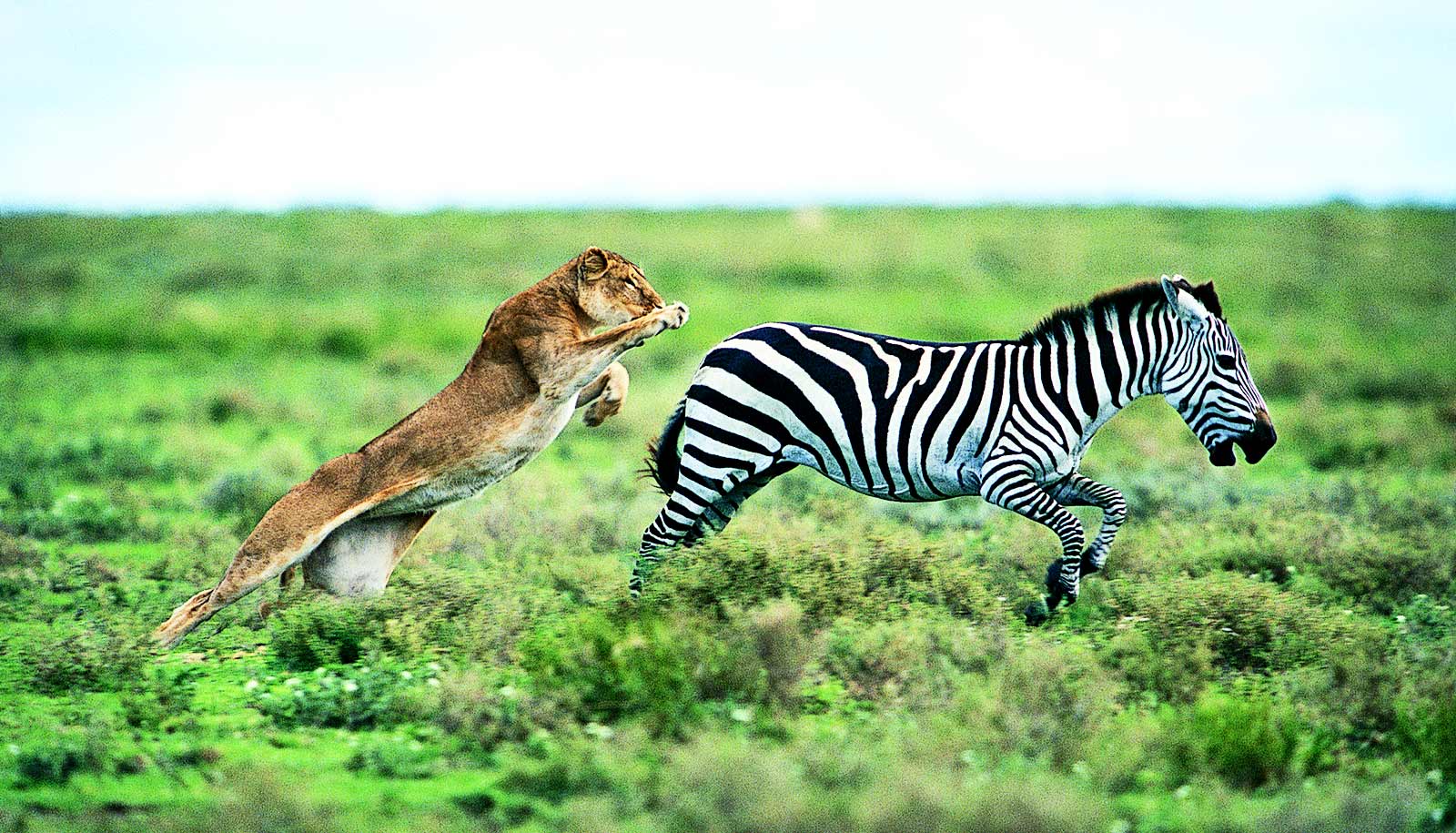
The Ngorongoro Conservation Area, a UNESCO World Heritage Site in northern Tanzania, is one of the world’s most remarkable natural wonders. Home to the famous Ngorongoro Crater, the largest intact volcanic caldera, this area boasts an incredible concentration of wildlife, including the Big Five (lion, leopard, elephant, buffalo, and rhino). The crater’s diverse ecosystems, from lush grasslands to forests and lakes, support over 25,000 animals, making it a year-round safari hotspot. Beyond the crater, the conservation area is a haven for Maasai pastoralists, offering a unique blend of wildlife and cultural experiences. Visitors can also explore the Olduvai Gorge, one of the most important prehistoric archaeological sites in the world. The Ngorongoro Conservation Area offers a unique blend of stunning landscapes, rich wildlife, and cultural heritage, making it an essential stop on any Tanzania safari.
BEST TIME TO VISIT
The Ngorongoro Conservation Area offers fantastic wildlife viewing throughout the year. However, the best times to visit depend on your interests.
December to February: Calving season in the Serengeti, with many animals migrating through Ngorongoro.
March to May: The rainy season, which brings lush landscapes and fewer tourists.
June to October: Dry season, with excellent game viewing as animals gather around water sources.
November: The short rains rejuvenate the landscape and bring migratory animals back to the area.
TIPS FOR VISITORS
Pack Light: Bring comfortable clothing, a hat, sunscreen, and insect repellent.
Stay Hydrated: Carry plenty of water, especially during game drives.
Respect Wildlife: Keep a safe distance and never feed the animals.
Follow Park Rules: Always listen to your guide and follow park regulations.